During the Han dynasty, people believed that the world beyond death was no different from the world of the living. Thus, the comforts and possessions enjoyed in life were recreated underground for the deceased to enjoy in the next world. This belief is captured in the phrase, "Serve the dead as one serves the living (事死如事生)." Since the middle of the Western/Former Han, such lavish burials became an increasingly prominent feature of Han society.
Pictorial bricks emerged from this funerary tradition. Together with pictorial stones, they became one of the defining forms of Han funerary art. The two differed chiefly in material and use. Pictorial stones were carved from stone and used primarily to decorate tomb walls, whereas pictorial bricks were moulded from clay and used as the facing for tomb entrances, walls, ceilings, and floors.
Pictures on Bricks
Production of pictorial bricks usually involve one of three techniques. The first was incising, in which images were carved directly into damp clay with a sharp tool. The second was stamping, where designs were pressed into partially dried bricks using a mould. The third was moulding, in which clay was applied to a carved wooden mould, compacted, and removed, allowing the image to emerge as an integral part of the brick itself.
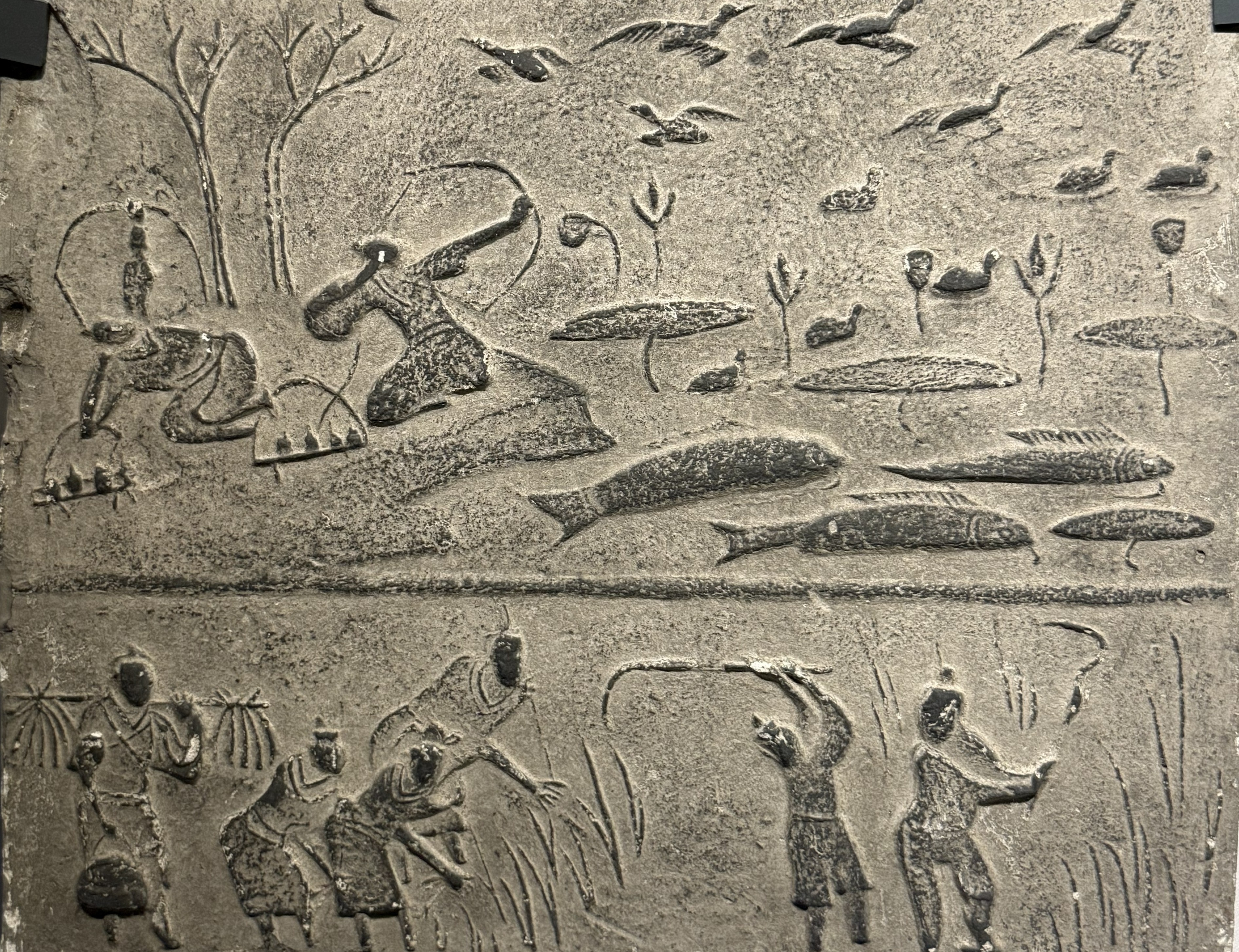
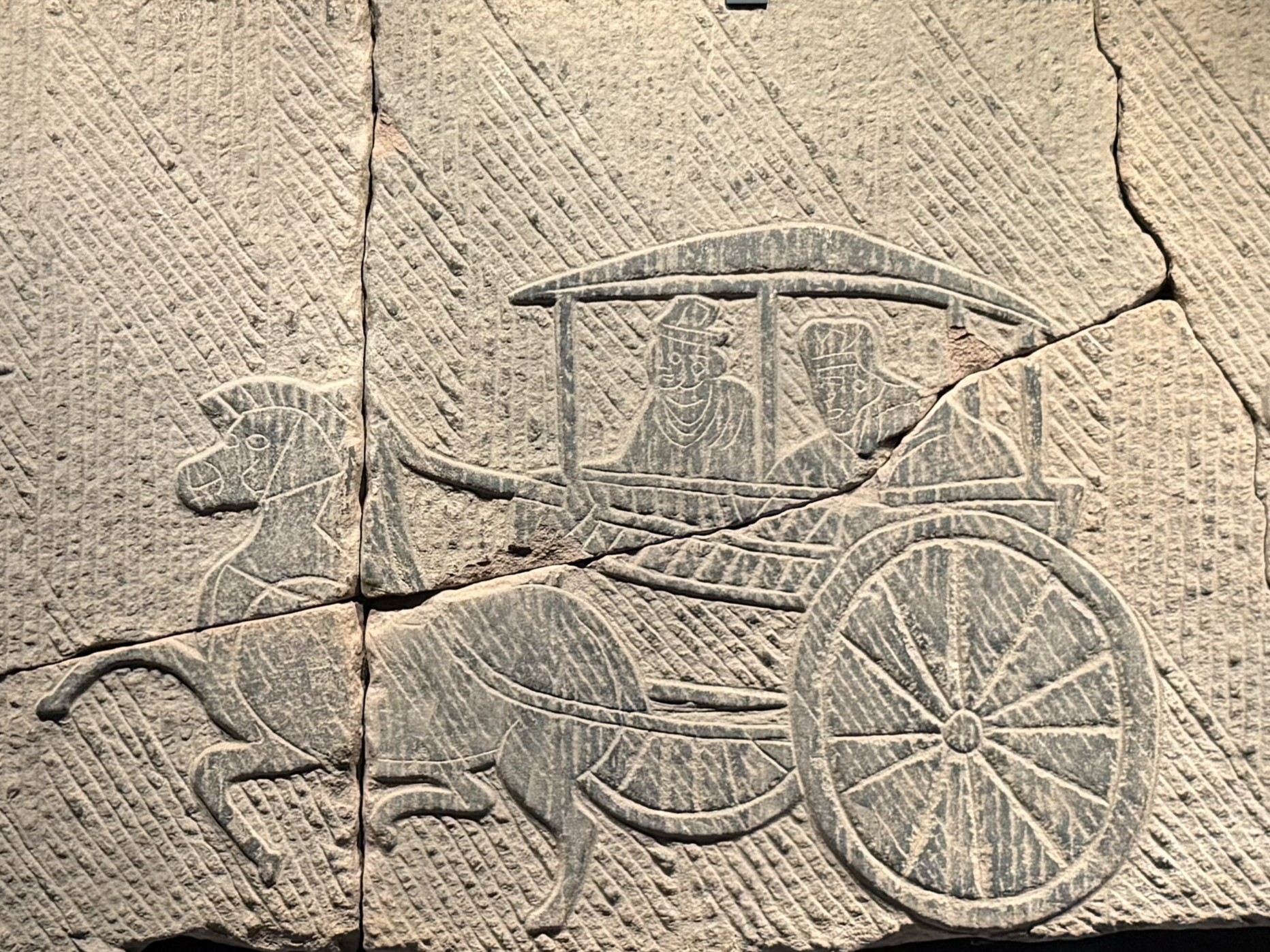
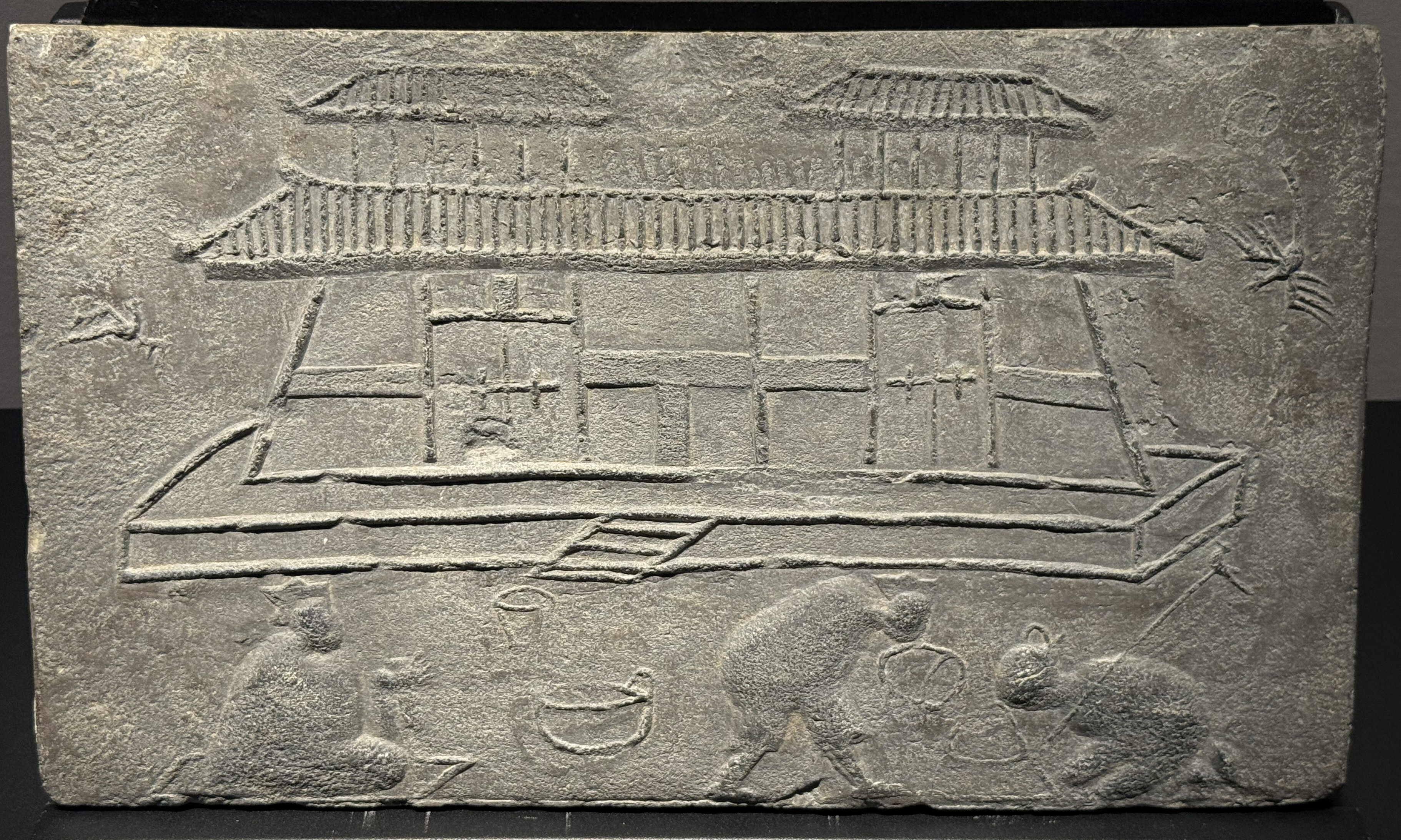
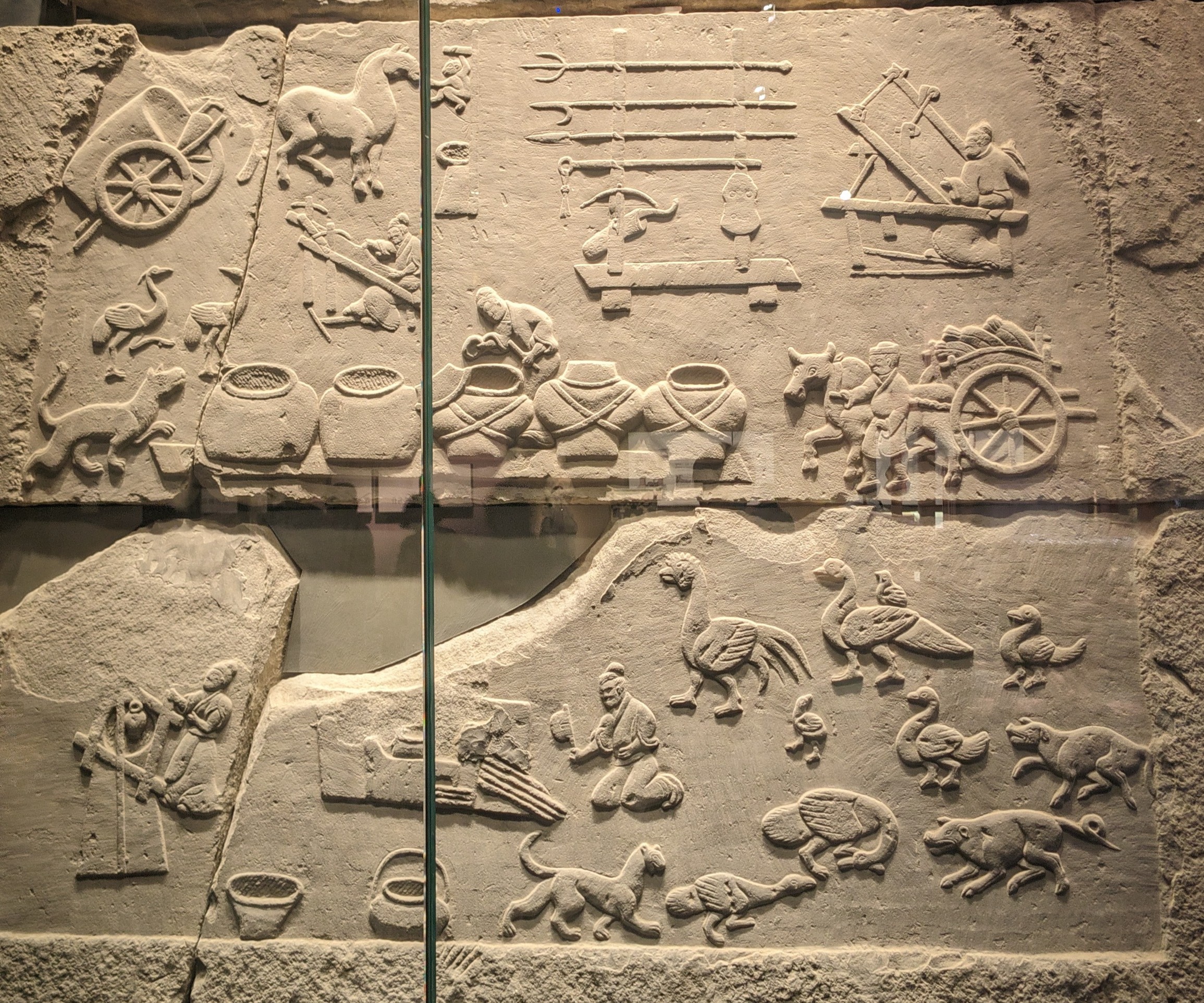
The subjects depicted are also remarkably diverse, encompassing historical tales, societal customs, architecture, myths and legends, banquets and entertainments, and scenes of everyday labour.
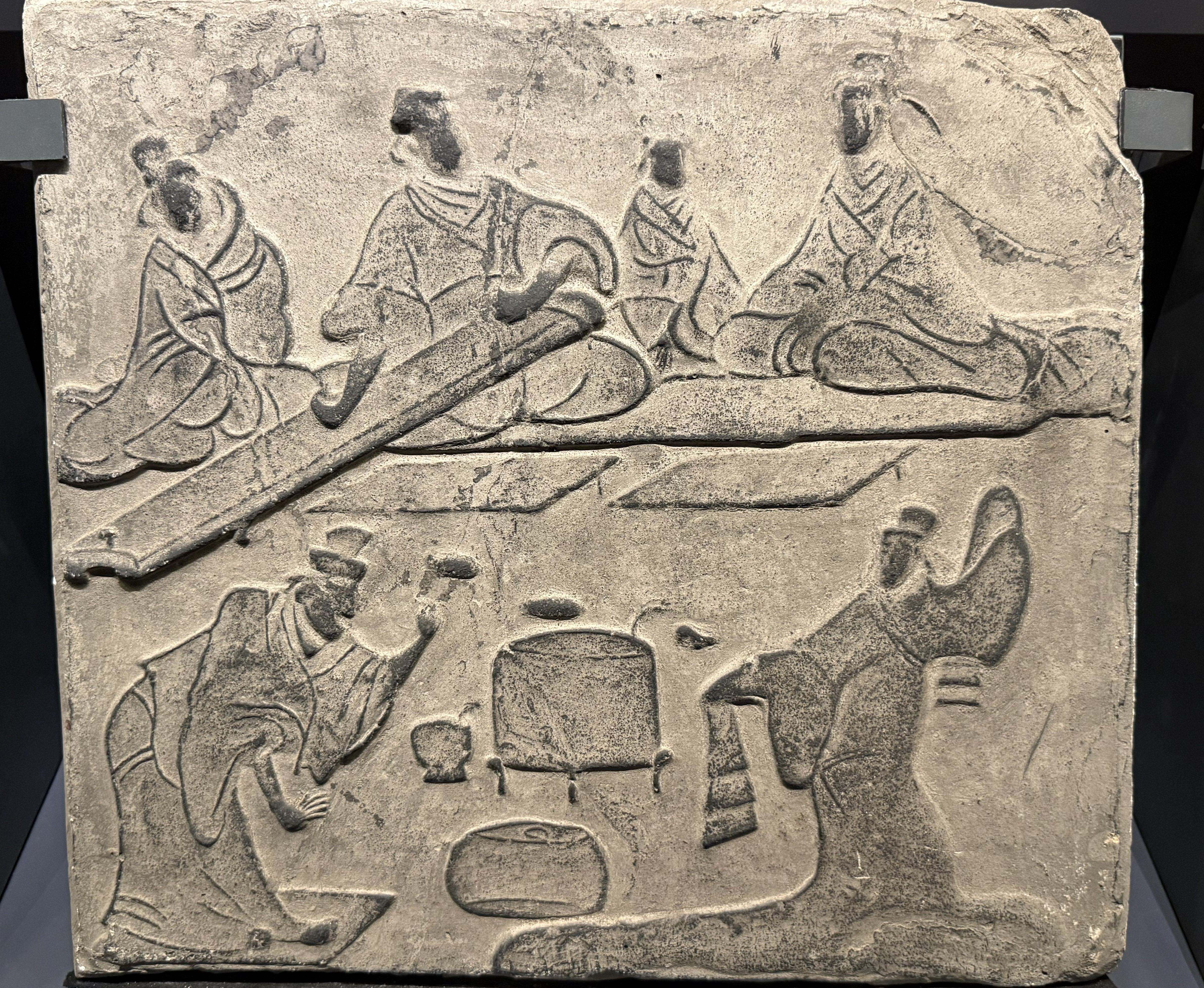
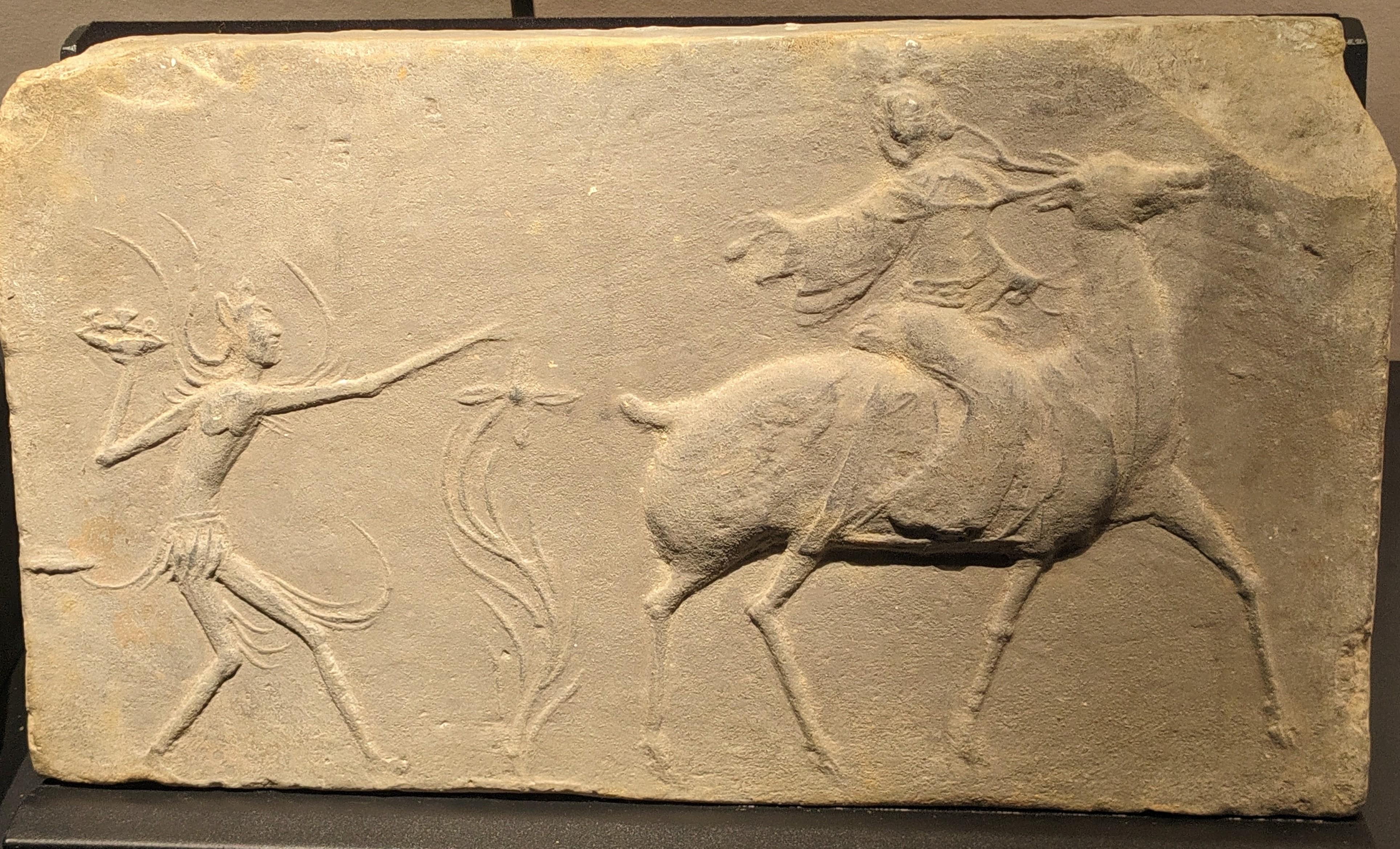
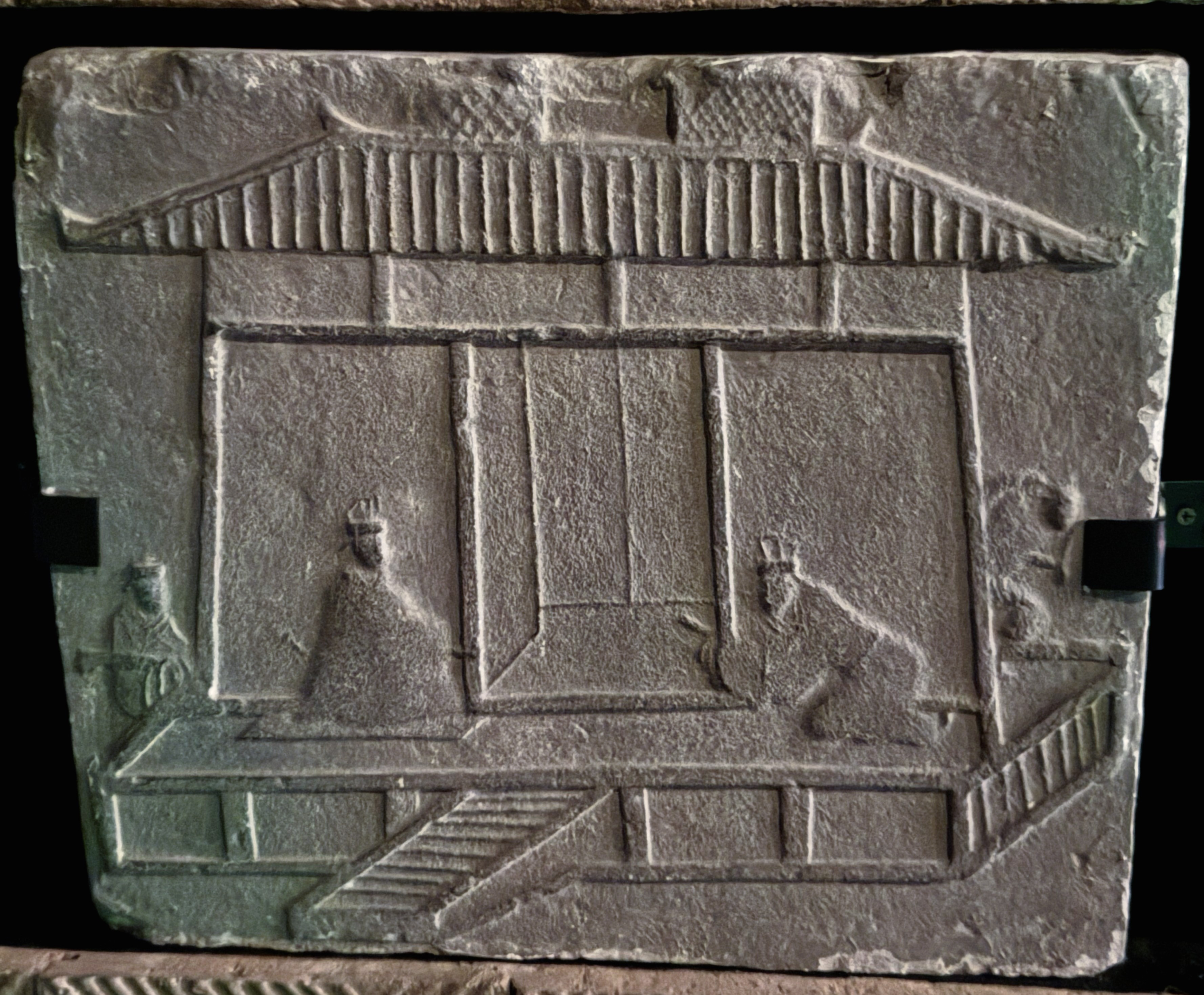
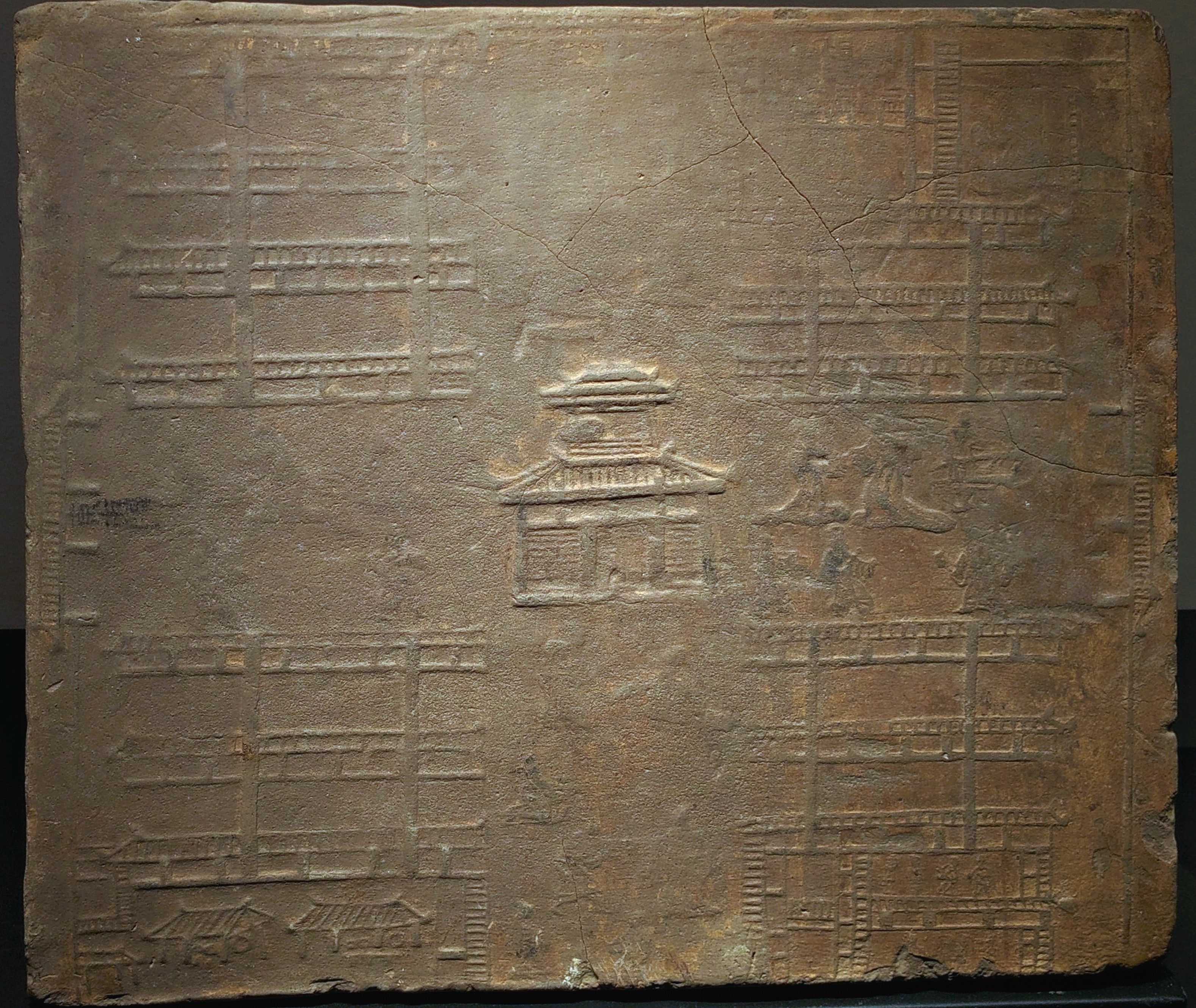
Bricks of Shu
Regional styles varied considerably. In Shu (modern Sichuan), numerous pictorial bricks have been discovered in the past few decades, many dating to the Eastern/Later Han dynasty. Here, the dominant carving style was low relief, with scenes extending across the entire brick surface and gently rounded figures projecting from it to create a striking sense of depth.
The pictorial bricks of Shu are especially renowned for their depictions of everyday life and economic activity. Their imagery may be broadly grouped into five themes: production and labour, daily life, social events and customs, mythology and legend, and chariots and architecture.
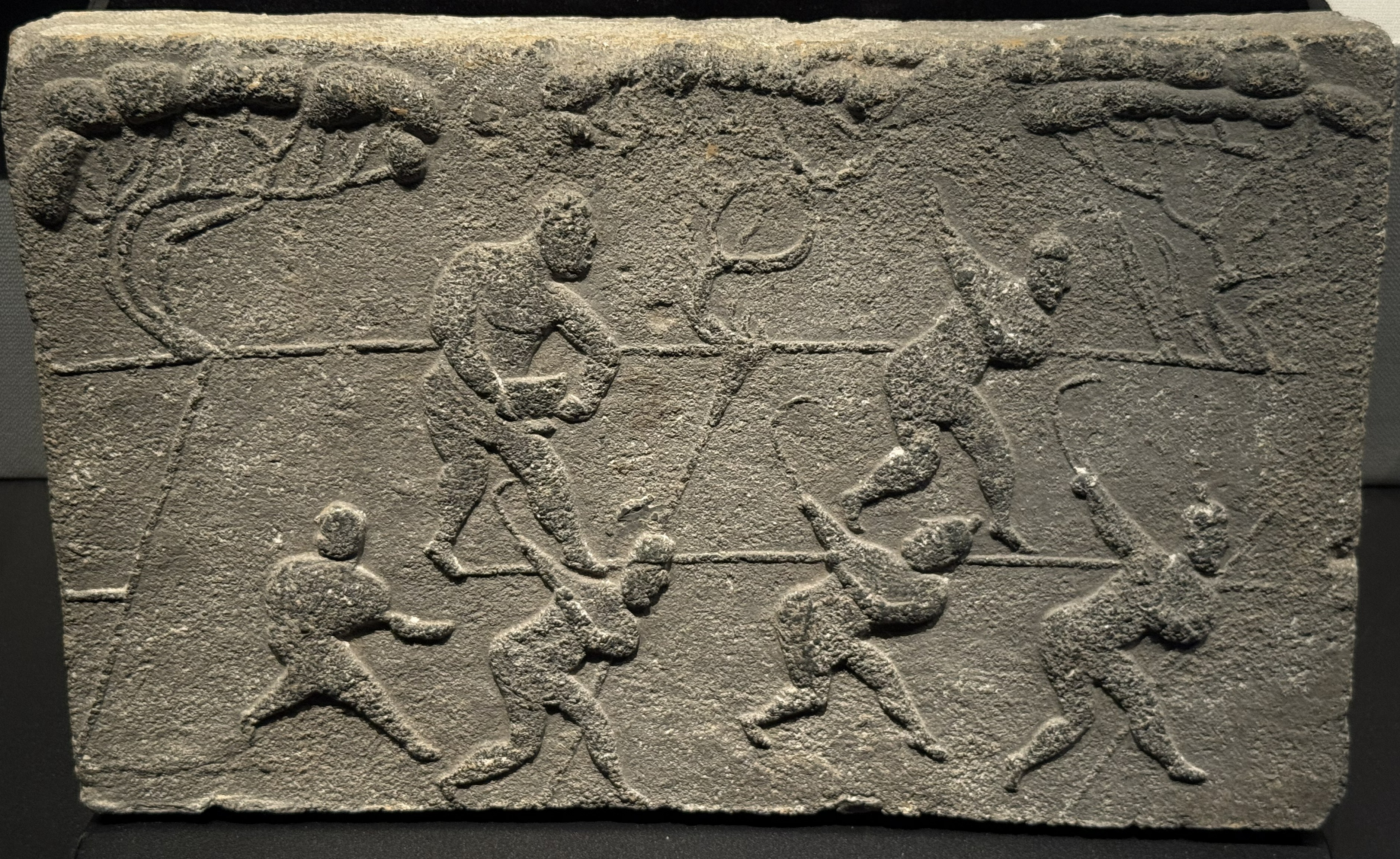
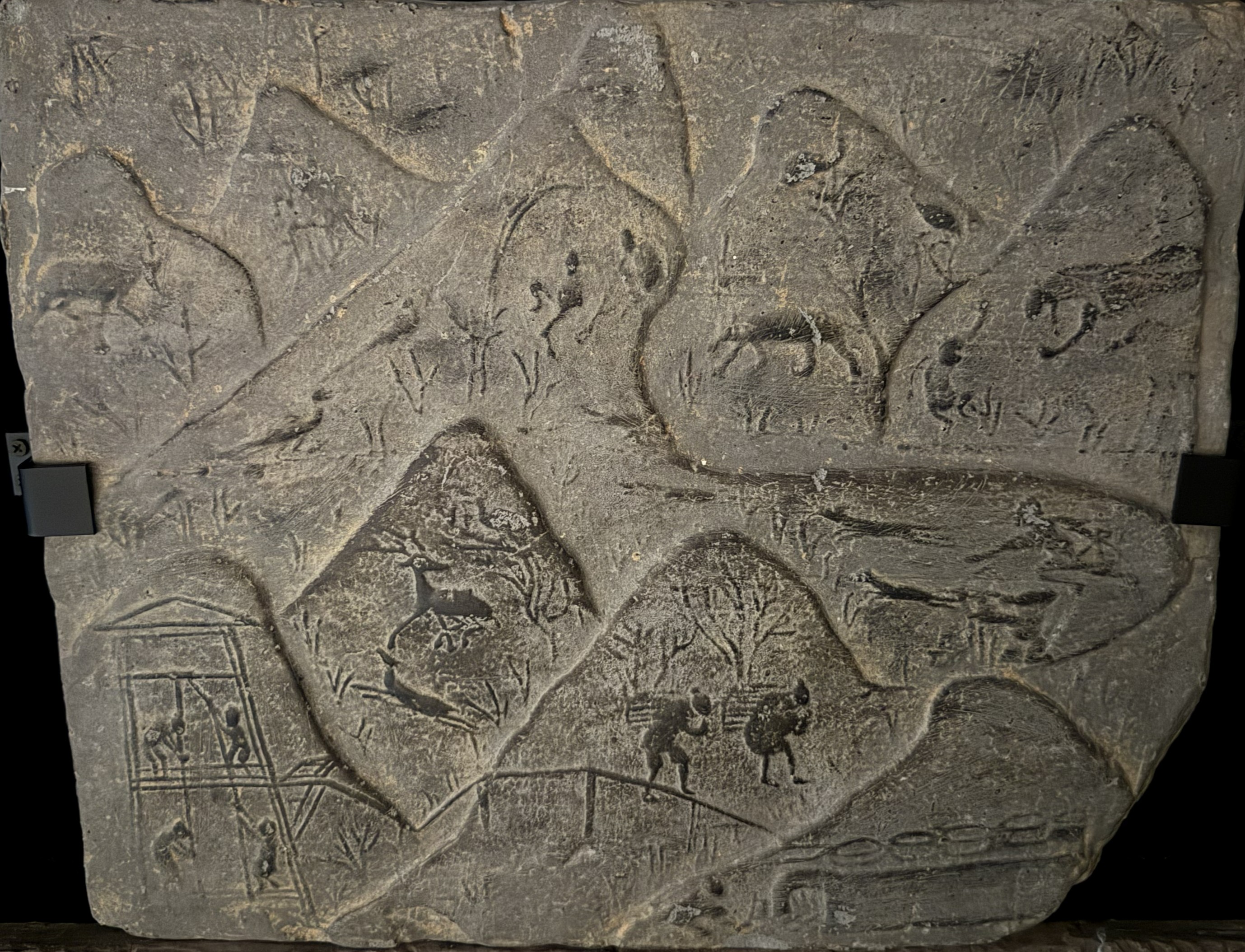
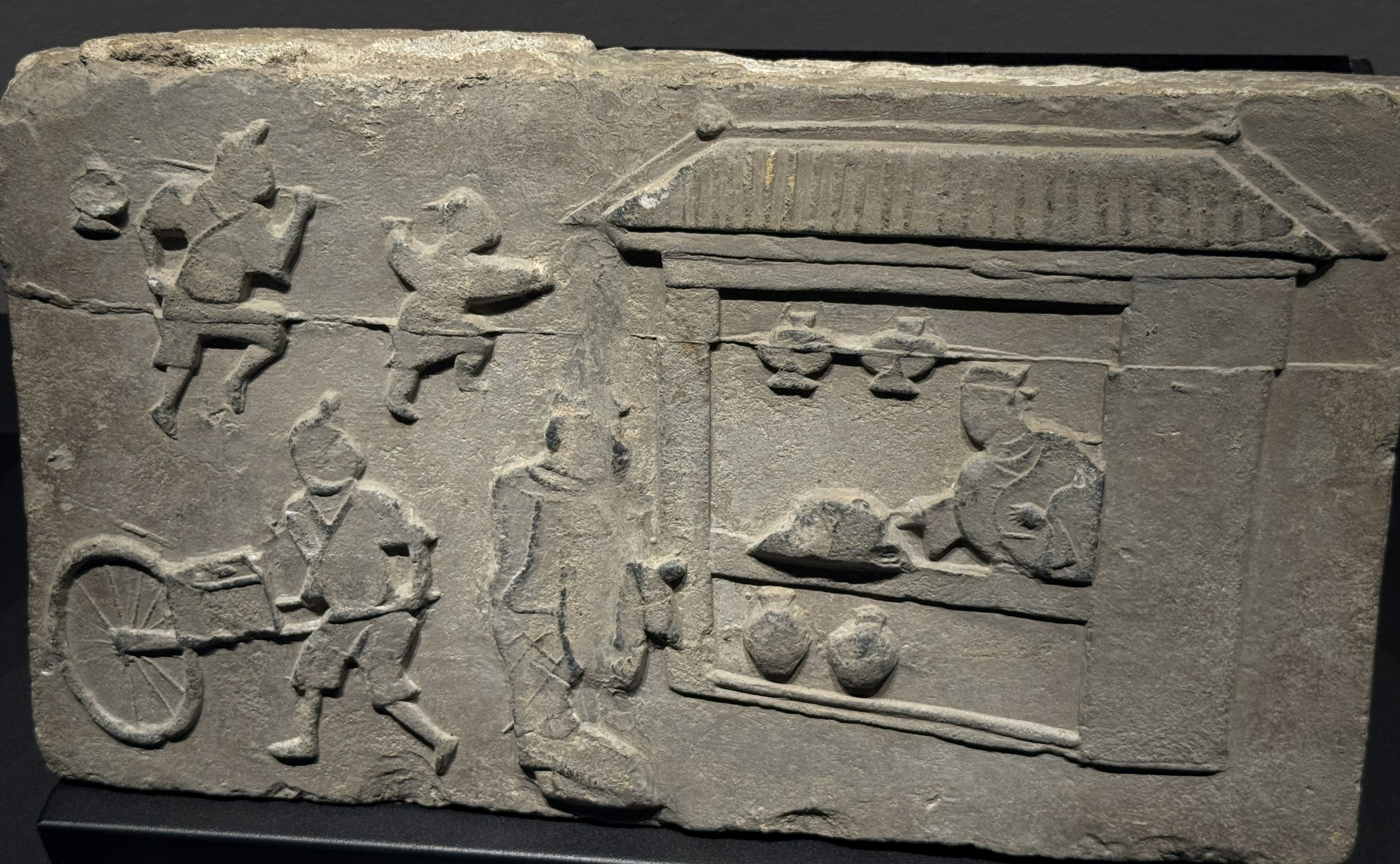
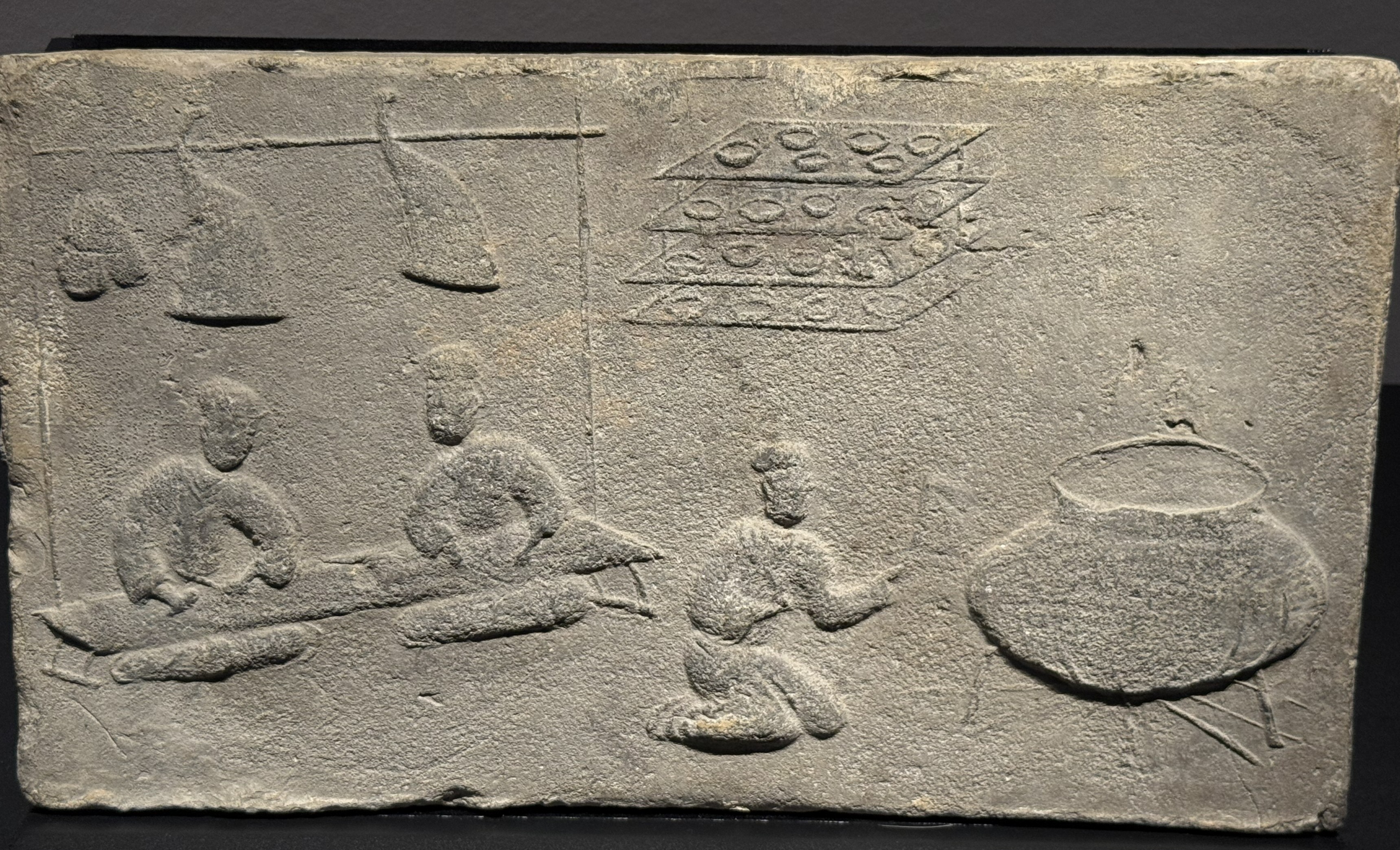
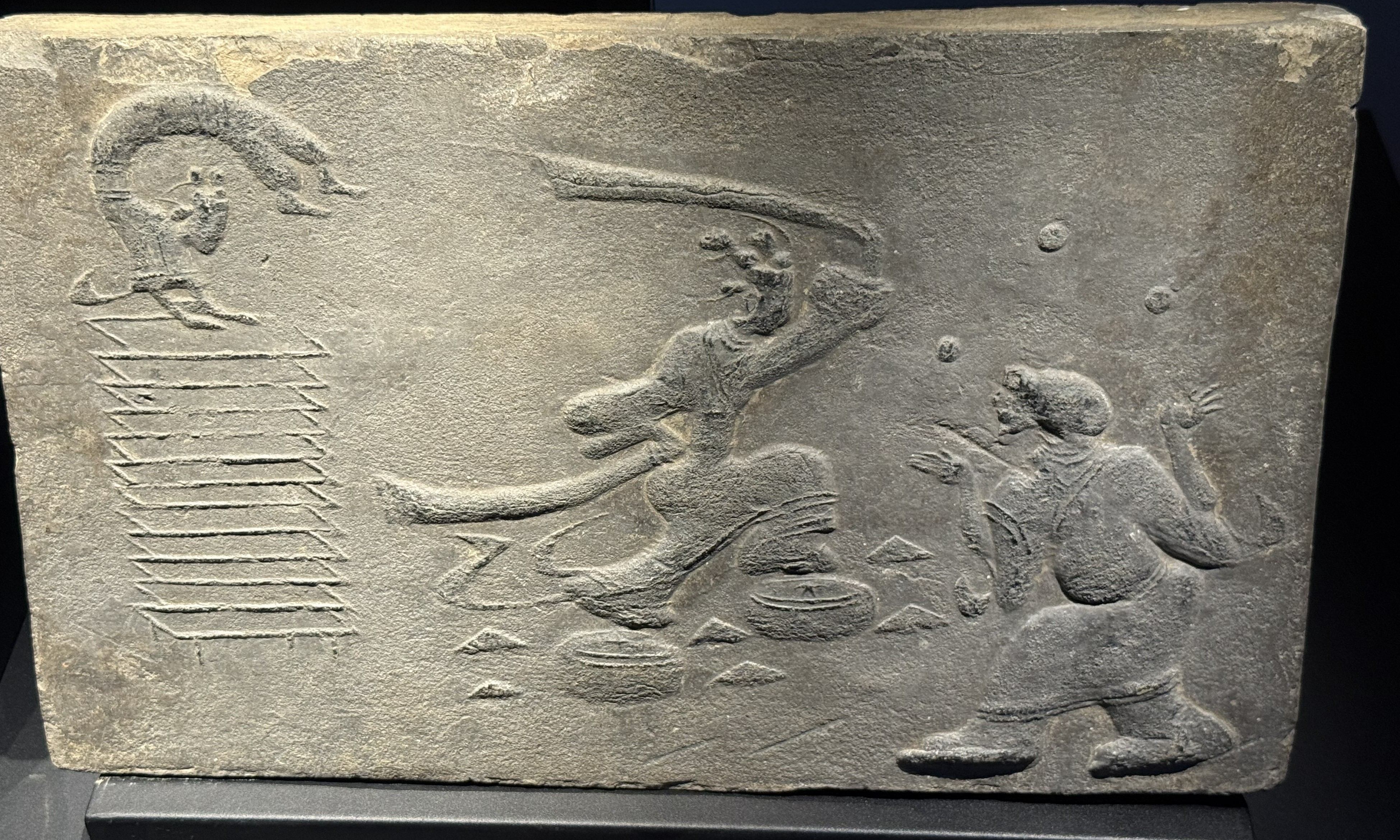
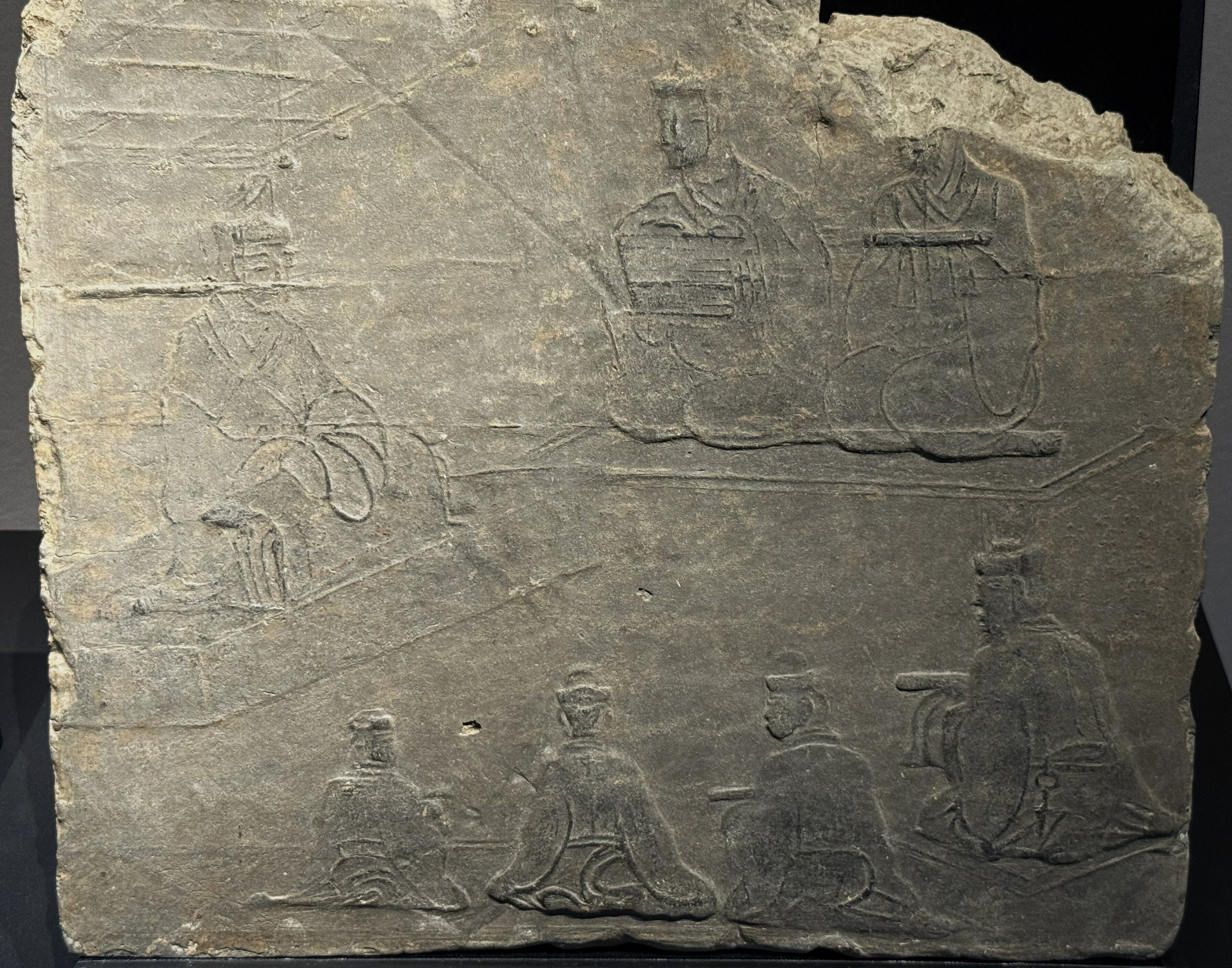
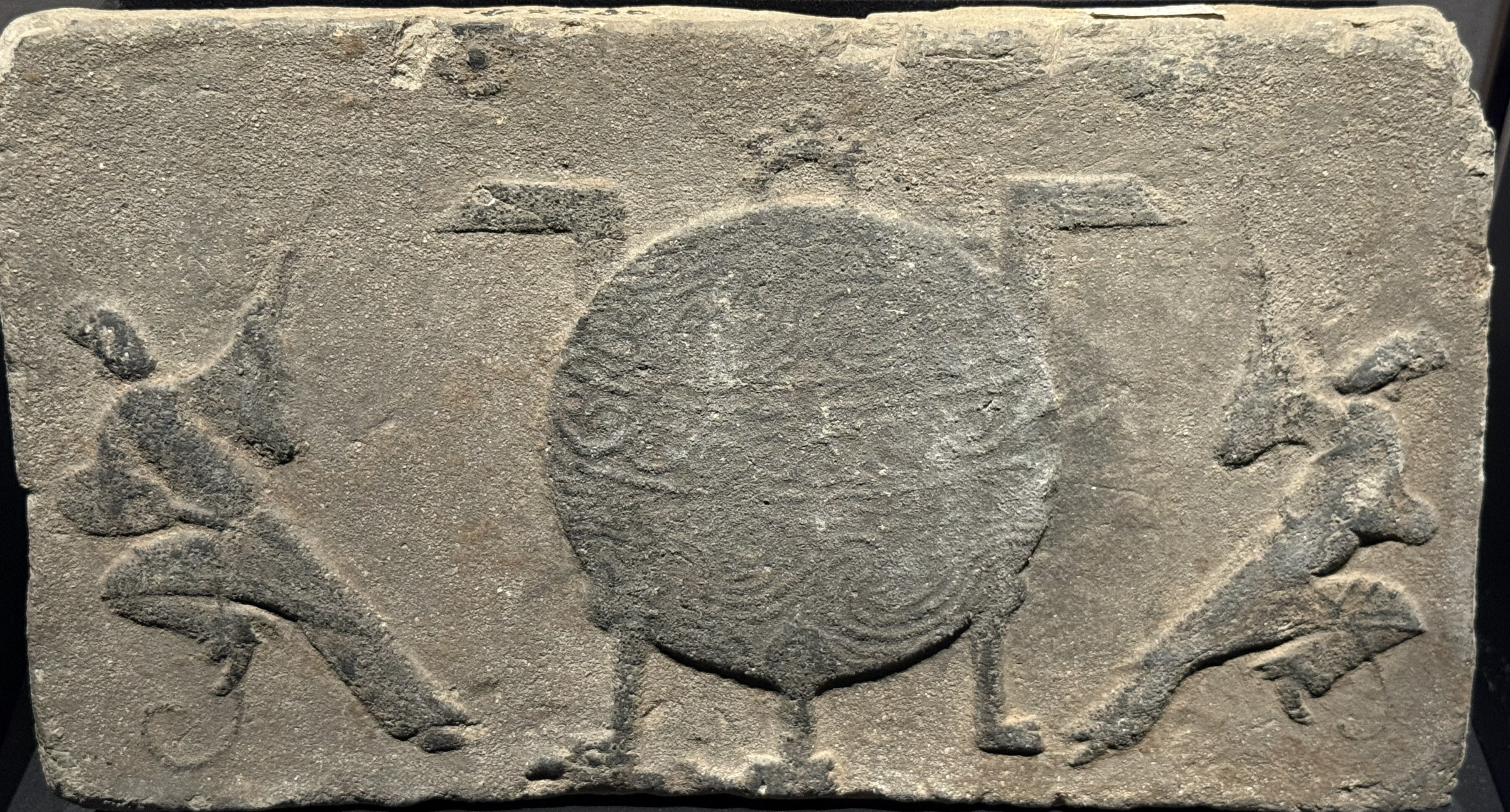
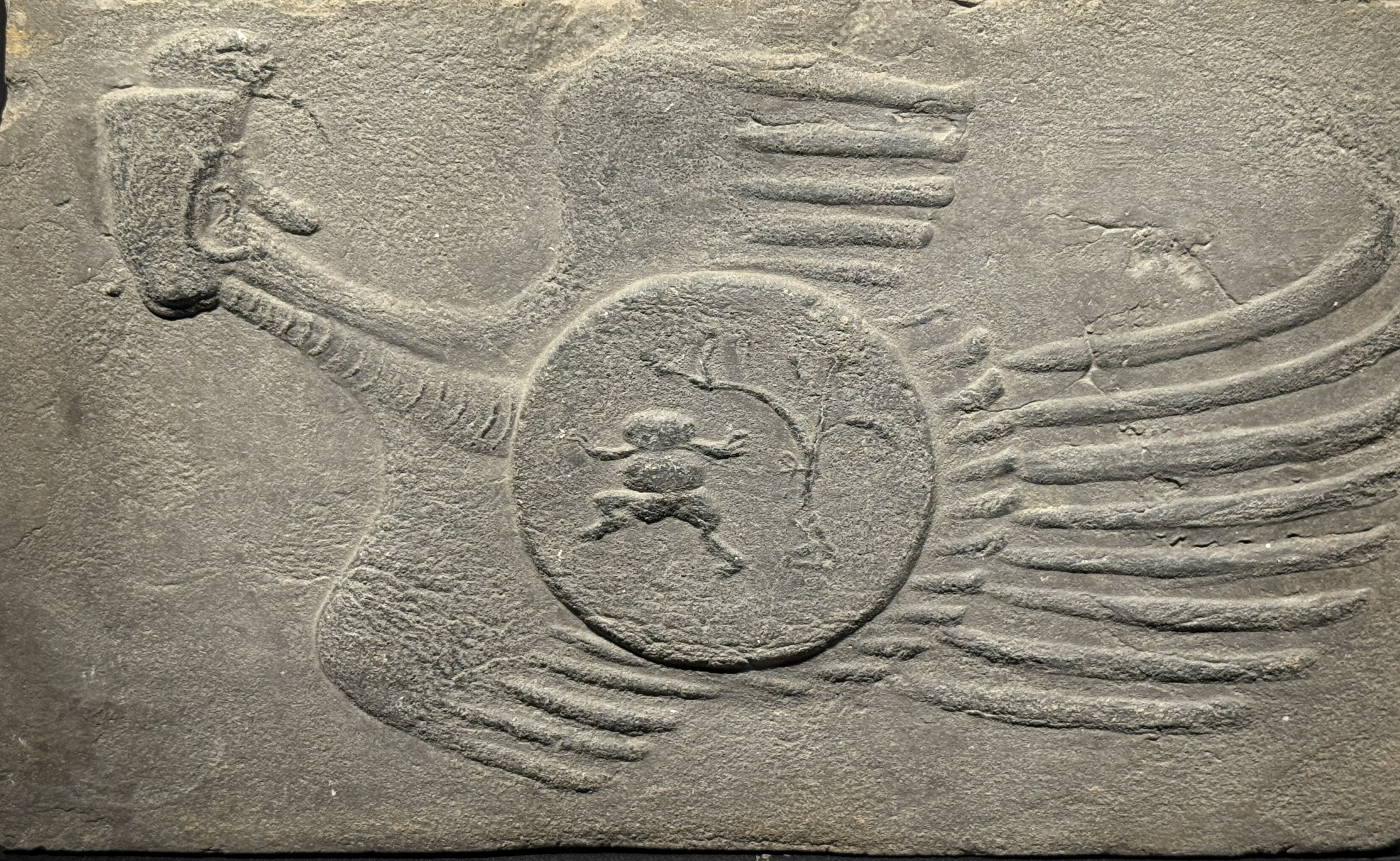
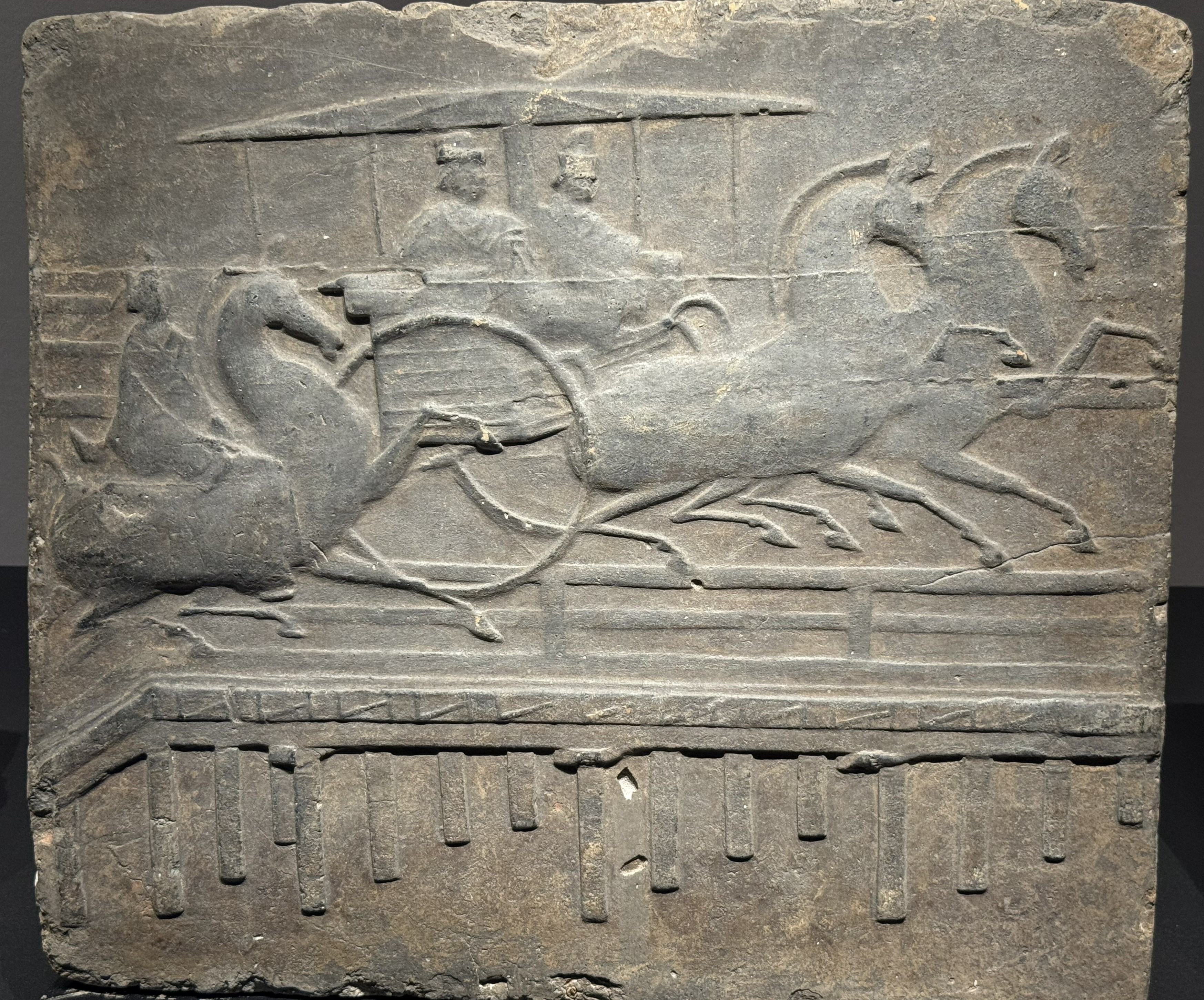
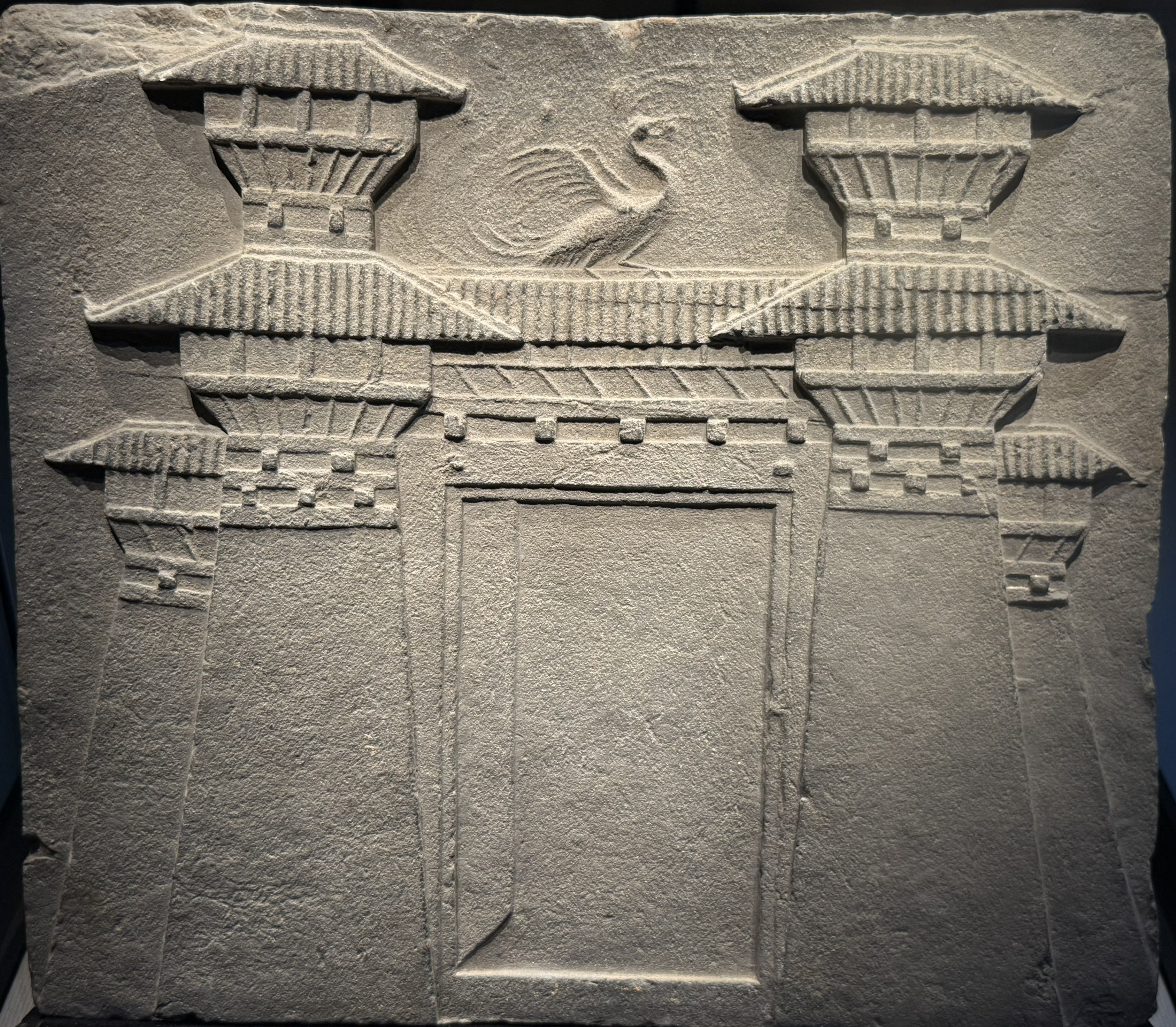
The significance of pictorial bricks extends far beyond their artistic value. For the deceased, they furnished the world beyond and embodied hopes for an ideal afterlife. For the living, they expressed remembrance, filial devotion, and social standing. The wishes of the dead and the sentiments of the living were brought together.
Two thousand years after they were buried, they return to the world above. As we stand before them today, what do we see?
See Also

References
- Xing, Yitian. The Development of Han Dynasty Murals and Mural Tombs (《漢代壁畫的發展和壁畫墓》). 1986.
- Lin, Ching-Yun. An In-Depth Look Into the Han Dynasty Seven-themed Portrait Brick Exhibits of the Sichuan Museum. 2011.